
25 Sep 2026


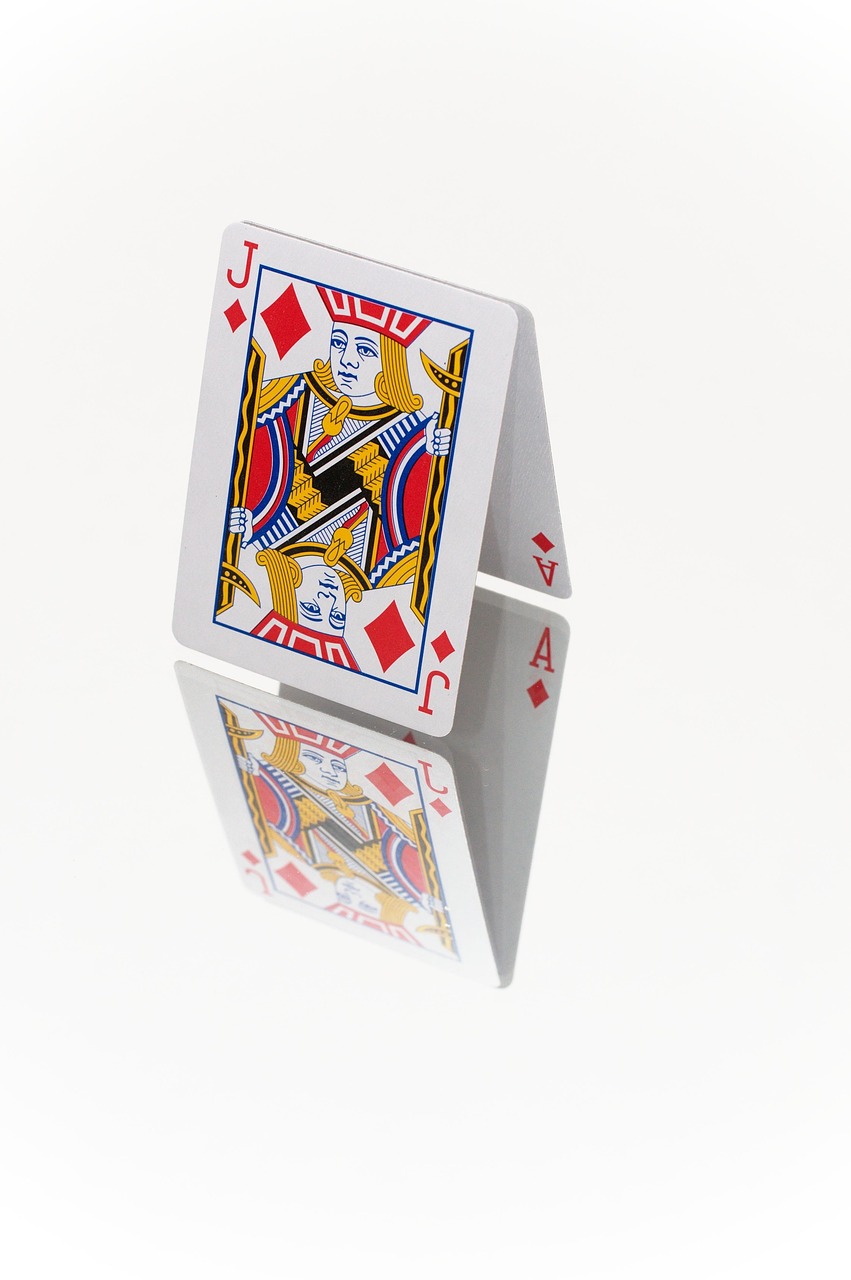
Walk into any casino forum at 2 a.m. and you'll find the same two conversations happening in parallel. One thread is full of people convinced a slot machine is "due" for a payout. The other is full of poker players arguing about whether a cold deck is bad luck or bad play. Both groups are chasing the same thing — an edge — and both are mostly wrong about where it actually lives.
This isn't a lecture on gambling being bad. It's a breakdown of how the games in the iGaming world actually work, where the money really goes, and how to think about them like someone who understands the math instead of someone hoping the math will be kind.
Every modern slot uses a random number generator, or RNG, that spins out a new result hundreds of times per second. The reels you see stopping are an animation. The outcome was already decided the instant you pressed the button. That means the previous spin has zero influence on the next one — a concept called independence of events.
Here's the part that trips people up. If a machine has a 96% return-to-player percentage, that doesn't mean you'll get 96 cents back for every dollar in a session. It means that over millions of spins across thousands of players, the machine pays out roughly 96% of everything wagered and keeps the rest. Your individual session could end at 300% or 0%. The RTP is a long-run average, not a promise.
Want a practical tip? Check the help or info screen on any slot before you play. Reputable operators publish the RTP. If they don't, that's already a red flag. More background can be found at hb88go.in.net.
One of the biggest mistakes recreational players make is treating all casino games as equally bad bets. They're not. The house edge varies wildly, and knowing the differences lets you pick games where your money lasts longer.
Here's a rough comparison of typical house edges:
Notice anything? The single-zero European wheel isn't just slightly better than the American double-zero version — it's almost twice as kind. And if you insist on playing keno, understand that you're paying the highest tax in the building for the least interaction.
Poker is the outlier here. In poker, you're not playing against the house. You're playing against other people, and the house takes a rake — a small cut of each pot. A skilled player can actually have a positive expected value over time. That's why poker is classified as a game of skill in many jurisdictions while pure casino games are not.
If you've ever watched a high-stakes poker stream and thought, "That looks easy," you're seeing thousands of hours of pattern recognition compressed into a highlight reel. Real poker edge comes from three places.
The variance in poker is brutal. Even a player with a genuine 5bb/100 win rate — meaning 5 big blinds per 100 hands — can lose for 50,000 hands straight. That's not a typo. Downswings of that length are statistically normal. The players who survive them are the ones who don't tilt and don't move up in stakes trying to win it back.
If you're new to poker, skip the $5/$10 tables and start at the micros. The players are worse, the mistakes are cheaper to learn from, and your ego will recover faster.
Online betting gets grouped with casino games, but the economics are different. When you bet on a football match at -110 odds, you're risking $110 to win $100. That extra $10 is the bookmaker's margin, also called the vig or juice. It's built into almost every bet unless you're getting an unusual promotion.
The margin means you need to win about 52.4% of your bets just to break even at -110. Most recreational bettors win closer to 48 to 50%. That two-to-four percent gap is the entire business model, and it's why bookmakers don't panic when a few sharps win big. The thousands of casual bettors on the other side cover the difference.
A few things that actually help:
Nearly every game in the iGaming ecosystem is designed around variable reward schedules — the same psychological mechanism that makes social media addictive. Near misses on a slot, bad beats in poker, and last-second losses in betting all trigger the same dopamine loop. Your brain doesn't distinguish much between almost winning and winning.
Operators know this. That's not a conspiracy, it's the business. The countermove is to set limits before you play, not during. Most licensed platforms now offer deposit limits, session timers, and self-exclusion tools. Use them like a seatbelt: you hope you never need them, but you're glad they're there.
A simple rule that works for a lot of people: decide your monthly entertainment budget in advance, treat it as spent the moment you deposit, and never chase losses with money you haven't allocated. If the money is gone, the session is over. No exceptions, no "one more bonus buy."
The iGaming world is enormous, and most of the noise around it is either hype or moral panic. The truth sits in a boring middle ground: slots are entertainment with a fixed tax, poker is a skill game with brutal variance, and sports betting is a battle against margins and yourself. None of that is a reason to avoid the games, and none of it is a reason to pretend they're something they're not.
If you take one thing from this piece, make it this: understand the specific math of whatever you're playing before you put money behind it. The players who last aren't the luckiest ones. They're the ones who know exactly what they're paying for, and why.

Churchyards offer peaceful paths and fascinating stories. This short route explores lichen-covered headstones, ancient yews, and wildflower margins.

I must explain to you how all this mistaken idea of denouncing pleasure and praising pain was born and I will give you a complete account of the system
Reply
I must explain to you how all this mistaken idea of denouncing pleasure and praising pain was born and I will give you a complete account of the system
Reply
I must explain to you how all this mistaken idea of denouncing pleasure and praising pain was born and I will give you a complete account of the system
Reply
I must explain to you how all this mistaken idea of denouncing pleasure and praising pain was born and I will give you a complete account of the system
Reply


From broach to pinnacle, spires vary greatly across Britain. Discover the architectural terms that help you describe these soaring stone features.
Contact Us
There are many variations of passages of Real stories, useful guides and the occasional recommendation, all in one calm corner of the web.
Many desktop publi’s shing packages web page editors now is use sites.
Copyright © 2026 Green Spire Journal. All rights reserved.Green Spire Journal.

